
Hand-Arm Vibration (HAV) Testing
Professional vibration exposure testing to support workplace safety and compliance.
HAV Testing & Exposure Monitoring
Hand-arm vibration (HAV) is vibration transmitted from tools, equipment, and machinery into the hands and arms of the operator. Exposure can occur when using hand-held power tools, hand-guided equipment, or when holding materials being processed by machinery.
Our HAV testing service measures vibration levels to help businesses assess operator exposure and support compliance with The Control of Vibration at Work Regulations 2005. Testing is carried out by qualified and competent engineers, with clear reporting provided following assessment.
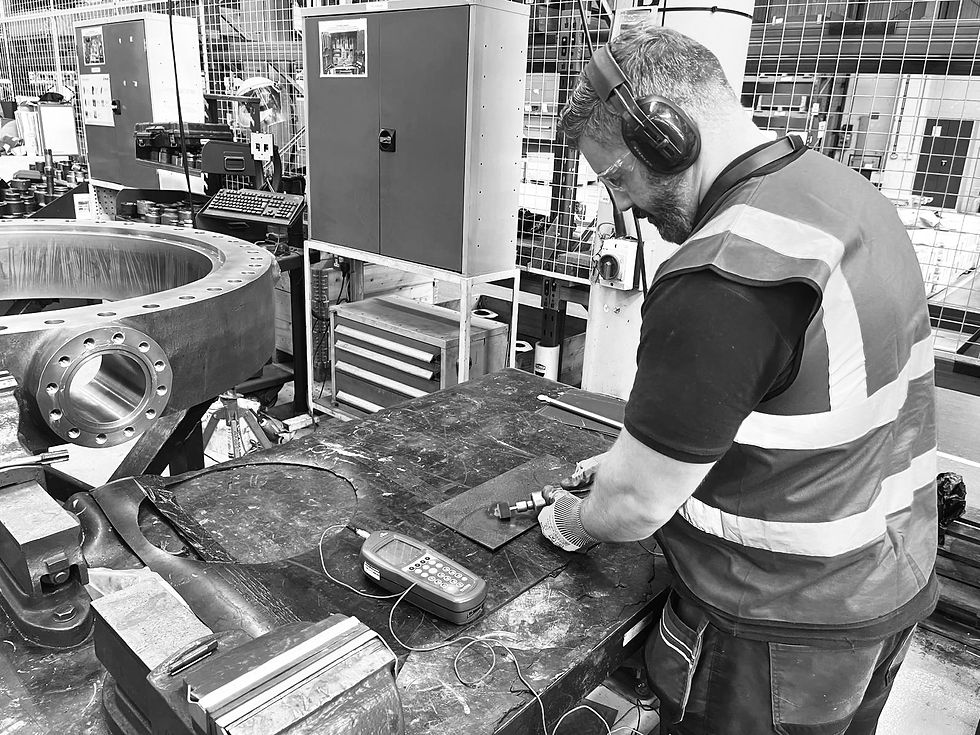
What Does HAV Testing Check?
During Hand-arm Vibration testing, several key factors are assessed to help determine vibration exposure levels and support safe tool operation.
Vibration Magnitude
Measures the vibration levels produced during operation.
Exposure Levels
Helps assess daily vibration exposure for operators.
Tool Condition
Checks for issues that may increase vibration levels.
Usage Information
Considers how tools and equipment are used in practice.
Operator Awareness
Supports safer management of vibration exposure.
Compliance Requirements
Helps support compliance with workplace vibration regulations.
Why is HAV testing Important?
Regular exposure to high vibration levels from tools and equipment can cause long-term damage to the hands and arms, including pain, numbness, and reduced circulation.
HAV testing helps businesses identify higher vibration tools, understand operator exposure, and take steps to reduce risk in the workplace.
Routine testing also supports safer working practices and helps businesses meet their workplace health and safety responsibilities.

What's Included in Your HAV Report
Following testing, you will receive a clear report detailing the measured vibration levels of the equipment assessed and information to help manage operator exposure.
Measured vibration magnitudes are also recorded on identification tags fixed to the tooling, helping operators quickly reference vibration data and exposure guidance during use.
Vibration magnitude readings recorded for tested equipment
Exposure guidance: information to help manage daily vibration exposure
Tool ID tags: vibration data recorded directly onto tooling for operator reference
Guidance to help reduce vibration risk and support workplace compliance
Employee responsibilities in the UK
In the UK, HAV testing supports compliance with:
-
Health and Safety at Work etc. Act 1974
-
The Control of Vibration at Work Regulations 2005
-
HSE Guidance on Hand-Arm Vibration
Employers must assess and manage vibration exposure risks where workers use vibrating tools or equipment.
This includes monitoring exposure levels, maintaining equipment, implementing suitable control measures, and providing appropriate information and training to employees.


Factair qualified to BS EN12021:2014 testing standards

IOSH Working standard accredited

P601, P603, P604, M200 accredited

NEBOSH General Certificate

Fit2Fit trained - qualitative facefit respirator testing

All engineers hold IPAF 3A and 3B certifcation

Qualified and Competent Hand Arm Vibration Testing

Level 3 in the in-service inspection of Testing of Electrical Equipment (PAT Testing)